

What Kenyan Beauty Buyers Want in 2026: Emerging Cosmetic Trends to Watch
What Kenyan Beauty Buyers Want in 2026: Emerging Cosmetic Trends to Watch
The beauty industry in Kenya is changing rapidly. From skincare enthusiasts in Nairobi to beauty shop owners in Mombasa, Kisumu, Nakuru, and Eldoret, consumers are becoming more informed and selective about the products they purchase.
Understanding beauty trends in Kenya is essential for beauty retailers, salons, spas, supermarkets, and cosmetic resellers looking to increase sales in 2026. Customers no longer buy products based solely on price. They want effective skincare solutions, trusted brands, multifunctional products, and personalized experiences.
This article explores the emerging cosmetic trends shaping Kenya's beauty market and explains how businesses can adapt to meet customer expectations.
Why Beauty Trends in Kenya Matter
Why Beauty Trends in Kenya Matter
The Kenyan beauty and cosmetics industry has experienced remarkable growth over the last few years.
Social media platforms, beauty influencers, dermatologists, and online product reviews have changed the way consumers discover and purchase skincare products.
Customers often research products before visiting beauty stores or placing online orders.
Businesses that understand these changing preferences can:
- Stock products with higher demand
- Reduce slow-moving inventory
- Improve customer satisfaction
- Increase repeat purchases
- Stay ahead of competitors
Keeping up with beauty trends allows businesses to make informed purchasing decisions and maintain a competitive advantage.
1. Glow-Enhancing Skincare Continues to Dominate
1. Glow-Enhancing Skincare Continues to Dominate
Healthy, radiant skin remains one of the most desired beauty goals among Kenyan consumers.
Many shoppers are seeking products designed to improve skin brightness, hydration, and overall appearance.
Popular product categories include:
- Brightening creams
- Moisturizing lotions
- Facial serums
- Radiance boosters
- Nourishing body care products
Beauty retailers in Nairobi and Mombasa have reported growing demand for skincare routines that help customers achieve a natural glow without complicated regimens.
Businesses should prioritize products that support healthy-looking skin while maintaining customer confidence.
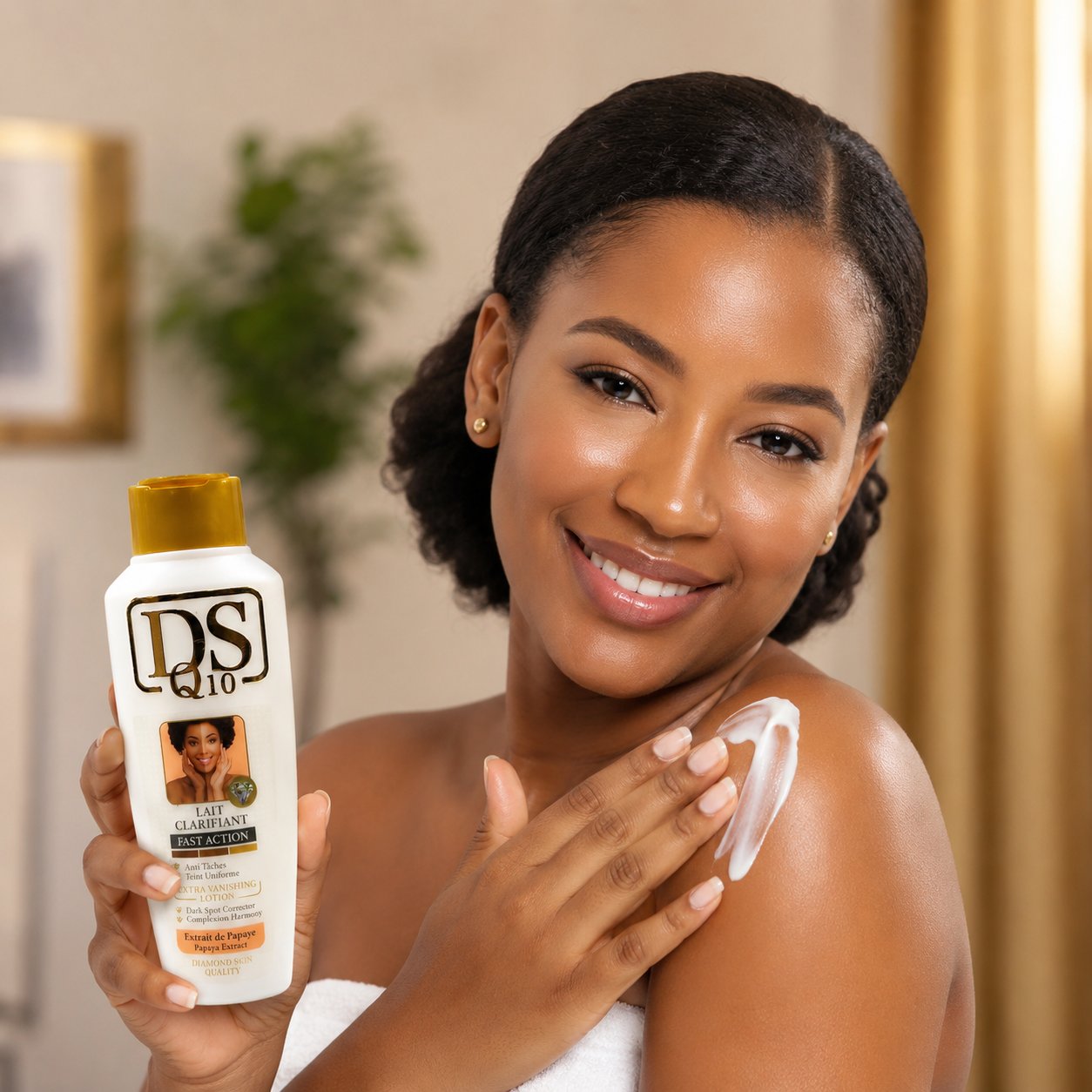
2. Products That Target Hyperpigmentation Are Growing in Demand
2. Products That Target Hyperpigmentation Are Growing in Demand
Hyperpigmentation remains one of the most common skincare concerns among consumers.
Many customers actively search for products that may help improve the appearance of:
- Dark spots
- Uneven skin tone
- Acne marks
- Sun-related discoloration
Beauty shops and cosmetic outlets that offer solutions addressing these concerns often attract repeat buyers.
Providing educational information about skincare routines can also increase customer trust and encourage long-term loyalty.
3. Multi-Purpose Beauty Products Are Becoming More Popular
3. Multi-Purpose Beauty Products Are Becoming More Popular
Modern consumers appreciate convenience.
Busy professionals, students, and working parents prefer products that provide multiple benefits in a single application.
Examples include products that combine:
- Moisturizing properties
- Brightening effects
- Skin nourishment
- Daily skincare support
Retailers can increase average order values by introducing multifunctional beauty products that simplify skincare routines.
4. Skin Barrier Protection Is a Rising Trend
4. Skin Barrier Protection Is a Rising Trend
Consumers are becoming more aware of the importance of maintaining healthy skin barriers.
Many buyers now seek products that help protect skin from dryness, environmental stress, and harsh weather conditions.
This trend is particularly relevant in regions with varying climates.
Customers in Nairobi and Nakuru may experience cooler temperatures, while residents in Mombasa often deal with higher humidity levels.
Products designed to maintain hydration and comfort are expected to gain more popularity in 2026.
5. Beauty Buyers Want Personalized Recommendations
5. Beauty Buyers Want Personalized Recommendations
Generic product suggestions are becoming less effective.
Customers increasingly expect beauty businesses to provide guidance based on their individual skincare concerns.
Retailers can improve customer experiences by asking questions such as:
- What skin concerns do you have?
- How sensitive is your skin?
- What products are you currently using?
- What results are you hoping to achieve?
Personalized consultations help customers feel valued and increase the likelihood of repeat purchases.
Beauty salons and spas in Kisumu, Eldoret, and Central Kenya can especially benefit from offering tailored skincare advice.
6. Social Media Is Influencing Purchase Decisions
6. Social Media Is Influencing Purchase Decisions
Beauty consumers spend considerable time on social media platforms.
Instagram, Facebook, TikTok, and YouTube have become major sources of beauty inspiration.
Customers frequently discover products through:
- Product demonstrations
- Before-and-after videos
- Influencer reviews
- Customer testimonials
- Educational skincare content
Businesses that maintain active social media profiles often gain greater visibility and attract younger audiences.
Sharing useful skincare tips and engaging videos can help brands build stronger relationships with customers.
7. Affordable Quality Is More Important Than Luxury Packaging
7. Affordable Quality Is More Important Than Luxury Packaging
While premium-looking packaging attracts attention, most Kenyan consumers prioritize value for money.
Customers want products that deliver noticeable results at reasonable prices.
Beauty retailers should consider stocking products across multiple price ranges.
Maintaining a balanced inventory enables businesses to serve:
- Budget-conscious shoppers
- Middle-income consumers
- Premium beauty enthusiasts
Offering several pricing options increases accessibility and broadens the customer base.
8. Customers Prefer Trusted Brands
8. Customers Prefer Trusted Brands
Trust plays a major role in skincare purchasing decisions.
Consumers are becoming more cautious about unfamiliar products.
They often evaluate:
- Product consistency
- Packaging quality
- Recommendations from friends
- Customer reviews
- Brand reputation
Businesses should focus on maintaining reliable product availability and transparent communication with customers.
Trustworthy brands tend to generate stronger customer retention rates.
9. Sustainable Beauty Is Slowly Emerging
9. Sustainable Beauty Is Slowly Emerging
Although sustainability is still developing within Kenya's beauty market, awareness continues to increase.
Some customers now pay attention to:
- Eco-friendly packaging
- Recyclable materials
- Reduced plastic usage
- Ethical sourcing practices
Beauty businesses that embrace environmentally responsible practices may appeal to younger consumers and socially conscious buyers.
This trend is expected to grow steadily over the coming years.
10. Education Is Becoming a Competitive Advantage
10. Education Is Becoming a Competitive Advantage
Beauty buyers no longer want to simply purchase products.
They want information.
Customers appreciate businesses that educate them about skincare routines, product usage, and ingredient benefits.
Educational content can include:
- Blog articles
- Video tutorials
- WhatsApp guides
- Social media posts
- Frequently asked questions
Retailers who consistently educate customers often position themselves as industry experts.
Knowledge builds confidence, and confidence drives sales.
Final Thoughts
Final Thoughts

Understanding beauty trends in Kenya is essential for businesses that want to remain competitive in 2026.
Consumers are looking for glow-enhancing products, solutions for hyperpigmentation, personalized skincare experiences, trusted brands, and educational support.
Whether you operate a beauty shop in Nairobi, manage a salon in Mombasa, run a spa in Kisumu, or distribute cosmetics in Nakuru and Eldoret, staying informed about these trends can help you stock smarter, serve customers better, and increase profitability.
Businesses that anticipate changing customer preferences today will be better positioned to succeed tomorrow.